

 Set as a preferred Google source
In BPO environments, compliance failures do not always begin with a major incident. They often start with small, unnoticed gaps that build up over time.
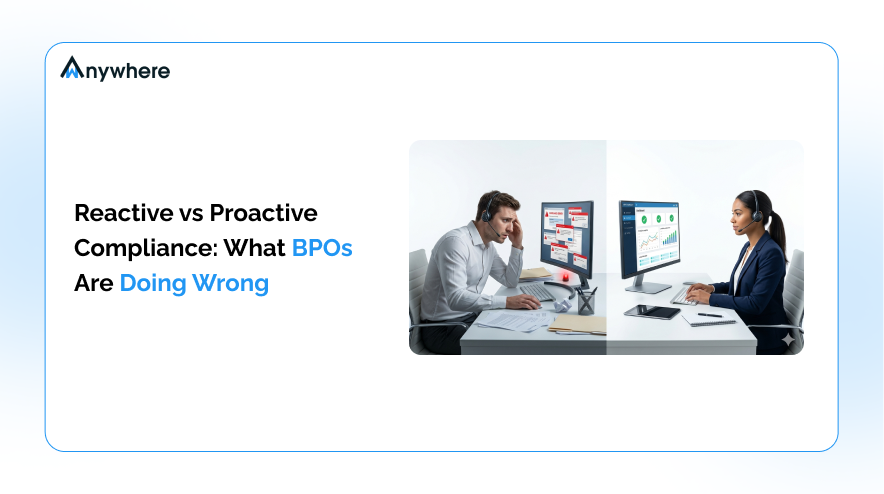
That is why the difference between reactive vs proactive compliance matters so much. Reactive compliance waits for an audit, complaint, or breach before action is taken. Proactive compliance uses real-time compliance monitoring and immediate alerts to stop risks early.
For BPOs managing remote and distributed teams, this shift is critical. The faster a risk is seen, the faster it can be controlled.
Reactive vs Proactive Compliance
Reactive compliance only responds after something has already gone wrong. Proactive compliance focuses on continuous oversight, early detection, and immediate response.
What is Reactive Compliance?
Reactive compliance means action is taken after incidents, audits, or escalations. There is little or no real-time visibility into what employees are doing as it happens.
This approach creates delays. By the time an issue is found, the damage may already be done.
What is Proactive Compliance?
Proactive compliance relies on continuous monitoring, real-time alerts, and fast escalation workflows. It helps teams identify and address risks before they become larger problems.
For modern BPOs, this is where a compliance alert system becomes essential. It turns compliance into prevention instead of recovery.
Stop reacting. Start preventing compliance failures.
Join 1,000+ BPO teams using wAnywhere to detect risks before they escalate.
Why BPOs Still Operate Reactively
Many BPOs still rely on periodic checks because that is how compliance has traditionally been managed. But traditional methods are no longer enough for distributed teams.
Dependence on Periodic Audits
Audits are useful for confirming compliance, but they only show what happened in the past. They cannot catch risky behavior as it happens, which leaves BPO teams exposed between review cycles.
Lack of Real-Time Visibility
Without continuous employee-monitoring compliance software, managers have no real-time view of daily activity. That makes it harder to spot unusual behavior, policy violations, or process drift before they turn into bigger problems.
Delayed Reporting Systems
When compliance reports arrive late, action is delayed too. By the time teams review the issue, the risk may already have spread, reducing their ability to contain problems early and effectively.
Compliance Treated as a Checklist
Read More: How to Enforce a Clean Desk Policy in Your Business
If compliance is handled like a formality, teams focus only on passing audits instead of preventing issues. Real compliance requires active control, continuous oversight, and timely response, not just documentation.
What BPOs Are Doing Wrong
Many BPOs know compliance matters, but they still use outdated methods that slow response and increase risk.
Relying on Delayed Reports
Reports that arrive after the issue has already happened do not help prevent the issue. They only document it.
No Real-Time Alert System in Place
Without a real-time compliance monitoring system, managers may not know about risky actions until much later.
Waiting for Audits to Identify Issues
This creates pressure, rework, and unnecessary exposure. Audits should validate compliance, not discover everything.
Ignoring Live Behavioral Signals
Behavioral signals often reveal risk before a formal violation occurs. Ignoring them means missing early warnings.
Slow Response to Compliance Risks
Even when risks are noticed, slow action weakens control. In BPOs, delay can quickly turn into regulatory or client-level problems.

Real-Time Workforce Reports Improve BPO Compliance & Prevent Data Breaches with wAnywhere
Know how, when, and where your BPO agents work at every moment to manage your teams better.
Common Compliance Risks That Require Immediate Alerts
Certain behaviors should trigger instant attention in BPO environments.
Unauthorized Mobile Usage During Work
Mobile use during sensitive tasks can distract employees, create policy violations, and increase the chance of data leakage. In BPO environments, implementing mobile detection software is essential, as this behavior needs immediate attention to prevent the exposure of client information and maintain control.
Multiple Individuals in a Restricted Work Environment
When more than one person is present in a secure workspace, confidentiality is at risk. Unauthorized viewers may see sensitive data, overhear calls, or access systems they should not, making this a serious compliance concern.
Frequent Use of Unauthorized Applications
Unapproved applications can bypass approved workflows and expose sensitive information outside controlled systems. They also make it harder for compliance teams to track activity, which increases the chance of security gaps and audit issues.
Suspicious Login or Access Patterns
Logins from unusual locations, odd hours, or unfamiliar devices may indicate risky behavior or account misuse. These patterns should trigger instant review because they can signal unauthorized access, credential sharing, or insider threat activity.
Unsecured or Non-Compliant Work Environments
Poorly managed workspaces, especially in remote setups, can expose screens, documents, and devices to unauthorized access. In BPO operations, weak physical controls can quickly become compliance gaps and create avoidable risk.
Read More: Call Centre Screen Monitoring – What are the Use Cases and Benefits You Need to Know
Reactive vs Proactive Compliance: Key Differences
| Factor | Reactive | Proactive |
| Detection | After the issue occurs | Before the issue escalates |
| Alerts | No immediate alerts | Real-time compliance monitoring |
| Response | Delayed action | Immediate escalation |
| Risk Impact | Higher exposure | Lower exposure |
| Visibility | Limited or retrospective | Continuous and live |
Benefits of Real-Time Compliance Monitoring
Real-time monitoring gives BPO teams better control over fast-moving risks by spotting issues as they happen instead of after the fact. Organizations using real-time compliance tracking can reduce audit preparation time by up to 40% and lower compliance management costs by streamlining monitoring and reporting. It supports continuous compliance, faster incident response, and stronger audit readiness.
Instant Risk Visibility
Managers can see issues as they happen instead of discovering them later. That early visibility helps teams spot risky behavior, policy drift, and emerging compliance gaps before they grow into bigger problems.
Faster Response to Incidents
Immediate alerts make it possible to act before the issue spreads. When compliance teams receive a live signal, they can investigate faster, contain the risk sooner, and reduce the chance of wider disruption.
Reduced Compliance Violations
When risks are caught early, violations are less likely to escalate. Real-time monitoring shortens the gap between detection and action, which helps BPOs avoid repeated errors, missed controls, and more serious regulatory exposure.
Better Remote Workforce Control
Distributed teams become easier to manage when behavior is visible in real time. Continuous oversight helps leaders maintain consistency across locations, shifts, and remote setups without relying only on end-of-day reporting.
Stronger Security and Compliance Posture
A proactive model builds trust with clients, auditors, and internal leadership. It shows that compliance is active and continuous, not just a checkbox exercise during audits.
Every Delay Increases Your Risk Exposure
By the time issues show up in reports, the damage may already be done. Don’t wait—gain real-time visibility and act before it’s too late.
How to Shift from Reactive to Proactive Compliance
The transition starts with better visibility and faster response. BPOs need systems that can alert, escalate, and support decisions while work is still happening.
Implement Real-Time Alert Systems
Use a compliance alert system that notifies managers when risky activity is detected. Alerts should go to the right people immediately so action can begin without delay.
Monitor Employee Behavior Continuously
Do not wait for end-of-day reviews. Track key actions while work is happening so unusual behavior, access issues, and policy violations can be addressed in the moment.
Track Environment-Based Risks
Remote work and distributed operations need awareness of the work environment, not just the device. Monitoring the workspace helps identify risks that would otherwise stay hidden during normal reporting cycles.
Enable Instant Escalation Workflows
When an alert is triggered, the right person should know immediately what action to take. Clear escalation paths reduce confusion and help compliance teams respond with speed and consistency.
Use Workforce Analytics Platforms
A workforce analytics platform helps connect behavior, productivity, and compliance in one view. That unified visibility makes it easier to spot patterns, prioritize risk, and support better decisions.
How wAnywhere Enables Real-Time Compliance
wAnywhere helps BPOs move from reactive control to proactive oversight, ensuring security and compliance for your BPO teams. It combines monitoring, alerts, and actionable visibility so teams can respond before risks become incidents.
Instant Alerts for Suspicious Activity
Teams get immediate alerts when risky behavior is detected. This reduces the delay between observation and response, which is critical in fast-moving BPO environments.
Continuous Monitoring of Employee Behavior
wAnywhere supports ongoing visibility instead of periodic checks. That means teams can see what is happening during the workday, not only after reports are compiled.
Detection of Environment-Based Risks
It helps identify conditions that may create compliance exposure in remote or shared work settings. This gives BPO leaders a broader picture of operational risk beyond simple login activity.
Immediate Action and Escalation Support
Compliance teams can respond faster with better context and less delay. By connecting alerts to action, wAnywhere helps turn monitoring into real prevention.
Ready to install wAnywhere with zero complexity?
Experience easy integration, accurate productivity monitoring, and complete AI-powered compliance tracking—all under one platform.
Best Practices for Modern BPO Compliance
Modern compliance works best when it is built into daily operations. The goal is to make risk visible early and response automatic where possible.
Move Beyond Audit-Based Compliance
Audits should confirm compliance, not replace it. BPOs need live controls that work continuously, rather than relying only on periodic reviews.
Define Clear Behavioral Policies
Employees should know what is allowed, what is not, and what triggers review. Clear expectations make real-time monitoring more effective and easier to adopt.
Train Teams on Compliance Awareness
Awareness helps people understand why real-time monitoring matters. Training improves adoption and reduces confusion when alerts or escalations occur.
Use Data-Driven Insights for Decisions
Compliance becomes stronger when decisions are based on live evidence, not assumptions. Data-driven insight helps leaders prioritize action where it matters most.
Conclusion
Reactive compliance leads to delayed action and higher risk. Proactive compliance gives BPOs the ability to stop issues earlier and manage risk more effectively.
Real-time alerts are no longer optional for modern BPOs. They are essential for continuous visibility, faster response, and stronger control.
wAnywhere helps BPOs shift from audit-based reviews to real-time compliance monitoring. Detect risks in real time.
See how wAnywhere enables instant compliance alerts. Book a demo today!
FAQs
Why are real-time alerts important for compliance?
Real-time alerts help teams detect risks immediately and take action before issues grow. They reduce response time, improve control, and help BPOs prevent small compliance gaps from turning into serious violations.
How does delayed response increase compliance risk?
Delayed response allows minor issues to stay unnoticed long enough to become larger violations. By the time teams act, the risk may already have spread, making remediation harder, slower, and more expensive.
What activities should trigger compliance alerts?
Suspicious logins, unauthorized app use, multiple people in restricted spaces, unusual device behavior, and unapproved mobile usage should all trigger alerts. These signals often point to policy violations or potential security exposure.
Can BPOs implement real-time compliance monitoring?
BPOs can implement real-time compliance monitoring by using a workforce analytics platform with live alerts, continuous behavior tracking, and escalation workflows. This helps teams detect risks early and respond before problems escalate.

Table of Contents
Boost productivity and compliance with wAnywhere
Read summarized version with